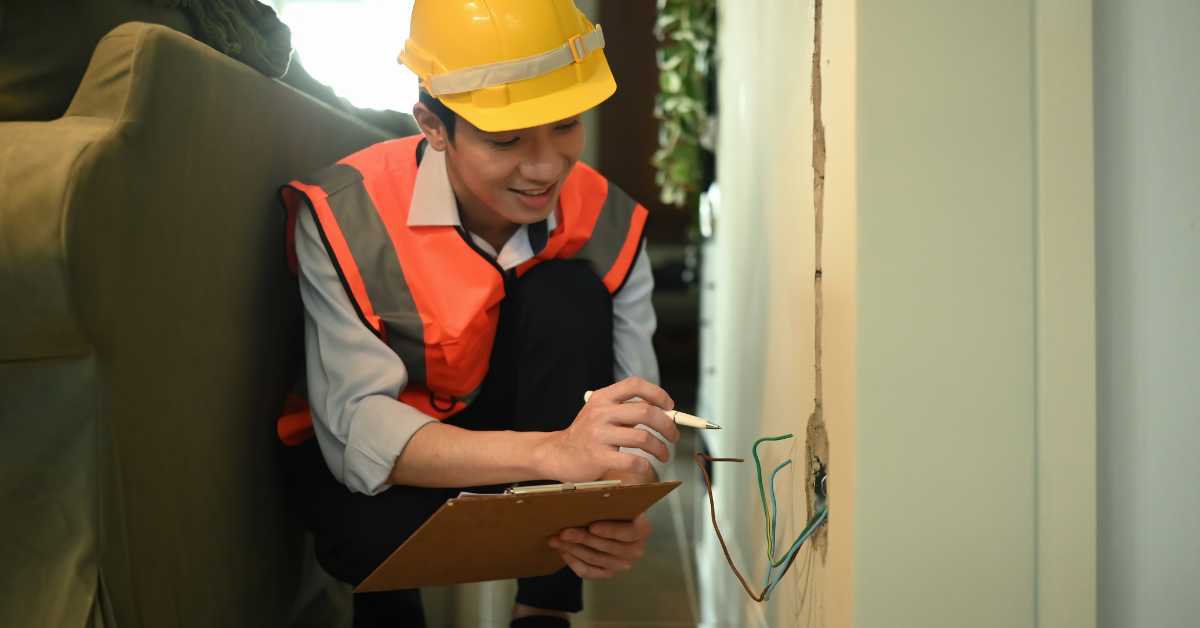
How Modern Home Construction Improves Comfort and Property Value
The Evolution of Residential Construction Standards
Residential construction has changed significantly during recent decades because homeowners now expect stronger durability, greater energy efficiency, and more practical living environments. Construction companies are no longer focused only on structural completion because modern clients also prioritize aesthetics, sustainability, and long term value. Builders must balance design preferences with engineering standards while ensuring compliance with local regulations and environmental requirements. This evolution has encouraged the industry to adopt improved technologies, better materials, and more efficient project management strategies. Homeowners benefit from these advancements because modern construction often delivers safer, healthier, and more comfortable living spaces. Construction quality now influences property performance more than ever before, especially within competitive housing markets. The growing expectations of modern buyers continue encouraging builders to improve craftsmanship, communication, and overall project efficiency throughout every stage of residential development.
Why Construction Planning Determines Project Success
Detailed Preparation Reduces Future Complications
Construction planning is one of the most important stages of any residential project because preparation influences budgeting, scheduling, and overall efficiency. Builders must carefully evaluate land conditions, drainage systems, access points, and structural requirements before physical work begins. A well planned project reduces delays and helps all professionals involved understand their responsibilities from the beginning. Effective planning also allows homeowners to anticipate realistic costs and construction timelines without unnecessary surprises later. Poor preparation can create complications that affect safety, compliance, or material coordination during critical stages of development. Experienced construction teams understand how to identify potential risks early while recommending practical solutions that support smoother workflows. Proper planning improves communication among architects, engineers, and contractors while ensuring that every phase aligns with the homeowner’s objectives. Organized preparation creates a stronger foundation for successful residential construction and long term homeowner satisfaction.
Budgeting Creates Financial Stability During Construction
Budget management plays a vital role in construction because residential projects involve multiple expenses that must remain carefully controlled throughout development. Builders calculate material costs, labor requirements, permits, and equipment usage before construction activities begin. Transparent budgeting helps homeowners understand how financial decisions may influence design choices and project timelines. Many experienced contractors recommend contingency planning because unexpected site conditions or material price fluctuations can affect expenses during construction. Realistic budgeting also prevents unnecessary compromises that could reduce long term structural quality or comfort. Homeowners appreciate clear financial communication because it creates confidence and reduces stress throughout the project. Construction companies that prioritize accurate budgeting are often better prepared to manage supplier coordination and scheduling without disruption. Effective financial planning allows projects to progress more smoothly while protecting the overall quality and value of the completed residential property.
Why Skilled Builders Are Essential for Modern Homes
Professional builders contribute far more than physical labor because they coordinate technical decisions, project management, and quality control throughout every construction phase. Experienced teams understand how to maintain efficiency while ensuring compliance with structural and safety requirements. Skilled builders can also identify practical solutions when unexpected challenges arise during development. Their experience allows them to recommend suitable materials, layouts, and construction methods that improve long term property performance. Homeowners benefit from professional expertise because complex residential projects require careful attention to engineering standards, weather considerations, and building regulations. Reliable builders maintain communication with clients while coordinating suppliers, subcontractors, and inspectors throughout the project timeline. Strong leadership within the construction process often results in better organization and fewer costly delays. Skilled professionals help transform architectural concepts into durable, functional homes that support both comfort and lasting residential value.
The Growing Importance of Sustainable Building Practices
Sustainability has become a major priority within the construction industry because homeowners increasingly value environmental responsibility and energy efficiency. Builders now incorporate advanced insulation systems, energy efficient windows, and water saving technologies into many residential projects. These improvements reduce utility costs while creating healthier indoor environments for families. Sustainable construction also encourages the use of durable materials that require less maintenance over time. Many homeowners recognize that environmentally conscious homes may achieve stronger resale demand in future housing markets. Builders who focus on sustainability often remain informed about modern technologies and efficient construction strategies that support long term residential performance. Eco friendly building methods can improve ventilation, temperature control, and overall living comfort while reducing environmental impact. Sustainable construction reflects the industry’s growing commitment to responsible resource management and practical long term value for modern homeowners.
How Custom Home Design Supports Modern Lifestyles
Custom home construction has become increasingly popular because homeowners want living spaces that reflect personal preferences and changing lifestyle needs. Modern families often request open layouts, multifunctional rooms, and stronger indoor outdoor connections when designing residential properties. Builders collaborate closely with architects and designers to create homes that balance practicality with visual appeal. Custom construction allows homeowners to maximize land usage while including features such as home offices, entertainment areas, or expanded storage solutions. Personalized design also supports better comfort because spaces are created according to daily routines and future family requirements. Builders must carefully integrate structural functionality with aesthetic goals to ensure long term usability and performance. Many homeowners appreciate the flexibility that custom homes provide because every detail can be tailored according to individual expectations. This approach creates unique residential environments that support both functionality and personal satisfaction.
Why Material Selection Influences Long Term Durability
The materials used during residential construction strongly affect structural reliability, maintenance needs, and overall building performance. Builders must select products that balance durability, efficiency, and visual appeal while considering environmental conditions within Auckland neighborhoods. High quality materials may require larger initial investments, but they often provide stronger long term value through reduced repair costs and improved durability. Roofing systems, insulation products, flooring materials, and exterior finishes all contribute significantly to residential performance over time. Experienced builders understand how moisture exposure, temperature changes, and coastal weather conditions may affect material behavior. Careful selection helps ensure that homes remain comfortable, safe, and visually attractive for many years after completion. Durable construction materials also improve energy efficiency and reduce maintenance requirements for homeowners. Professional builders evaluate technical performance carefully before recommending products that align with both design preferences and long term residential goals.
The Role of Technology in Modern Construction
Technology continues transforming residential construction because digital tools improve efficiency, communication, and project accuracy throughout the building process. Builders now use advanced software systems to create detailed project models before physical construction begins. These technologies allow homeowners to visualize layouts, identify potential issues, and make informed decisions earlier in development. Digital scheduling systems also improve coordination among suppliers, contractors, and project managers. Construction professionals benefit from precise measurement tools that reduce errors while improving installation accuracy. Technology has also enhanced material performance through innovations in insulation, ventilation, and energy management systems. Homeowners appreciate clearer communication because project updates and modifications can be shared more effectively during construction. Modern technology helps construction teams maintain consistency while reducing unnecessary delays or waste. As innovation continues advancing, residential construction is expected to become even more efficient, sustainable, and adaptable to changing homeowner expectations.
Why Communication Strengthens Construction Projects
Strong communication is essential within construction because residential projects involve many decisions that affect timelines, budgets, and final outcomes. Builders must maintain transparent discussions regarding design adjustments, scheduling updates, and material selections throughout development. Homeowners value regular communication because it helps them understand project progress and upcoming construction stages. Effective communication also encourages quicker problem resolution when unexpected challenges appear during the building process. Construction teams that prioritize transparency often create stronger trust and collaboration with clients. Clear communication improves coordination among architects, engineers, suppliers, and subcontractors working on the same project. Builders who listen carefully to homeowner concerns are generally better prepared to deliver satisfactory results that align with expectations. Organized communication reduces misunderstandings while supporting smoother workflows throughout construction. Projects managed with strong communication are often more efficient, less stressful, and more successful from beginning to completion.
Open Concept Homes Continue to Gain Popularity
Open concept designs remain highly desirable because they create brighter interiors, stronger social interaction, and greater flexibility within modern homes. Many homeowners prefer large connected living areas that encourage family communication and improve entertainment opportunities. Builders often integrate expansive windows and sliding doors to strengthen the relationship between indoor and outdoor spaces. Open layouts also allow natural light to spread more effectively throughout the home, creating a welcoming atmosphere. Flexible floor plans support changing family needs because rooms can serve multiple purposes over time. Structural planning becomes especially important in open concept construction because builders must maintain strength while reducing unnecessary barriers. Modern families appreciate spacious environments that feel practical, comfortable, and visually appealing. Builders who understand contemporary lifestyle preferences can design open layouts that balance aesthetics with functionality. This design approach continues influencing residential architecture throughout many developing neighborhoods in Auckland.
Energy Efficient Homes Offer Long Term Benefits
Energy efficiency has become a defining feature of modern residential construction because homeowners seek lower operating costs and improved environmental performance. Builders incorporate advanced insulation, energy saving appliances, and high performance glazing systems into many new homes. These features help maintain stable indoor temperatures while reducing energy consumption throughout the year. Efficient homes often create healthier living environments because ventilation systems improve airflow and moisture control. Homeowners also appreciate the financial benefits associated with lower utility expenses over time. Builders carefully evaluate property orientation, sunlight exposure, and ventilation strategies to maximize natural efficiency. Energy efficient homes may achieve stronger market demand because buyers increasingly prioritize sustainability and operational savings. The construction industry continues developing new methods that improve residential energy performance without sacrificing comfort or visual appeal. Efficient construction practices provide lasting value while supporting more responsible resource management within modern communities.
Why Renovations Are Becoming More Common
Home renovations are increasingly popular because many homeowners prefer improving existing properties rather than relocating to new neighborhoods. Renovation projects allow families to modernize interiors, increase functionality, and expand living spaces according to evolving lifestyle needs. Builders frequently complete kitchen upgrades, bathroom renovations, additional rooms, and structural modifications that improve comfort and property value. Renovations require careful planning because new construction elements must integrate smoothly with existing structures. Professional contractors evaluate electrical systems, plumbing, and foundation conditions before beginning major renovation work. Homeowners often appreciate the flexibility that renovations provide because familiar surroundings can be preserved while living conditions improve significantly. Modern renovation strategies focus on maximizing space efficiency and enhancing visual consistency throughout the property. Well executed renovations can transform outdated homes into contemporary living environments that better support daily routines and future family growth.
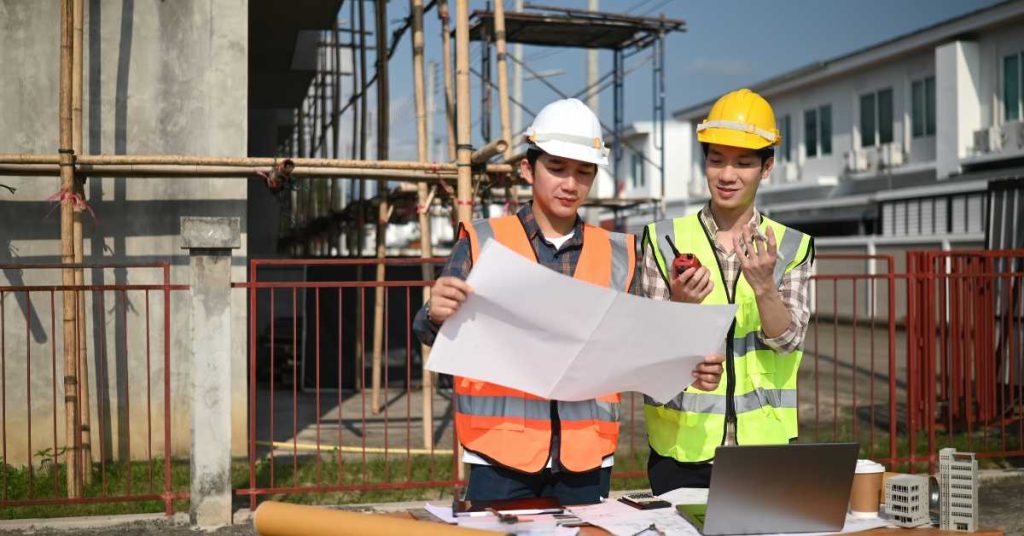
The Importance of Compliance and Safety Standards
Compliance with building regulations is essential because safety standards protect homeowners, workers, and surrounding communities throughout residential construction projects. Builders must follow structural guidelines, electrical requirements, and environmental regulations when developing new homes or renovations. Understanding approved construction practices helps ensure that residential properties remain safe and reliable for long term use. Homeowners interested in professional Building Services Auckland solutions often prioritize contractors who demonstrate strong knowledge of safety standards and regulatory compliance. Proper inspections and documentation also support insurance eligibility and future property transactions. Experienced builders remain updated with changing industry requirements to ensure consistent compliance throughout development. Construction companies that prioritize safety often create more organized and accountable working environments. Adherence to regulations strengthens structural reliability while reducing risks associated with poor workmanship or inadequate construction methods.
Why Local Construction Experience Matters
Builders with local experience often deliver stronger project results because they understand Auckland’s environmental conditions, council procedures, and residential market expectations. Regional knowledge helps contractors recommend suitable materials and construction strategies that perform effectively within local weather conditions. Experienced local professionals are familiar with common site challenges such as drainage concerns, soil conditions, and coastal moisture exposure. Their understanding improves project planning while supporting more accurate budgeting and scheduling decisions. Builders with established local networks can also coordinate suppliers and subcontractors more efficiently throughout development. Homeowners benefit from guidance regarding property improvements that align with neighborhood preferences and market demand. Local expertise strengthens compliance management because experienced contractors understand regional approval processes and building standards. Construction companies with strong local knowledge are often better prepared to deliver practical solutions that balance durability, comfort, and long term residential value.
Why Quality Craftsmanship Remains Essential
Craftsmanship continues to define high quality construction because attention to detail strongly influences durability, comfort, and visual appeal. Professional builders understand that precise installation work improves the overall performance and appearance of a residential property. Homeowners often recognize craftsmanship quality through flooring alignment, cabinetry finishing, wall detailing, and structural consistency throughout the home. Skilled tradespeople maintain high standards during every phase of construction because even minor imperfections can affect long term satisfaction. Strong craftsmanship also reduces maintenance concerns by ensuring materials and finishes are installed correctly from the beginning. Builders who prioritize detail oriented work frequently achieve stronger reputations within competitive housing markets. Quality workmanship creates homes that feel solid, reliable, and professionally completed for many years after construction. Consistent craftsmanship remains one of the most important factors influencing homeowner confidence and overall satisfaction with residential construction projects.
Outdoor Living Spaces Improve Residential Appeal
Outdoor living areas have become increasingly valuable because homeowners want functional exterior environments that support relaxation and entertainment. Builders often design patios, decks, gardens, and covered outdoor areas that connect naturally with interior living spaces. Well planned outdoor environments can significantly improve property usability while enhancing visual appeal. Construction professionals carefully evaluate drainage, sunlight exposure, and privacy requirements when designing exterior features. Durable materials and weather resistant finishes are essential because outdoor structures must withstand changing environmental conditions throughout the year. Many homeowners appreciate outdoor spaces that encourage family gatherings and recreational activities without leaving the property. Attractive landscaping and functional exterior designs may also increase resale interest within competitive housing markets. Modern residential construction increasingly emphasizes the importance of integrating indoor comfort with practical outdoor living opportunities that support contemporary lifestyle preferences.
Smart Storage Solutions Support Modern Families
Storage planning has become a major priority within modern home design because organized spaces contribute significantly to comfort and daily efficiency. Builders now incorporate custom shelving, hidden cabinets, and multifunctional storage systems into many residential projects. Effective storage solutions help homeowners reduce clutter while maximizing usable floor space throughout the property. Families appreciate practical designs that accommodate changing storage needs as lifestyles evolve over time. Builders evaluate room dimensions and household routines carefully before recommending storage layouts that improve accessibility and convenience. Smart storage systems also enhance visual appeal because organized interiors often feel more spacious and comfortable. Construction professionals who understand modern living trends can create flexible solutions that combine practicality with attractive design elements. Well planned storage areas improve residential functionality while supporting cleaner and more efficient living environments for families of different sizes and lifestyles.
Why Reputation Influences Builder Selection
Reputation plays a major role within the construction industry because homeowners want confidence that their investment is being managed responsibly. Many property owners review completed projects, customer testimonials, and professional experience before selecting a construction company. Reliable contractors often build strong reputations by maintaining communication, honoring timelines, and delivering consistent workmanship. Positive client relationships demonstrate professionalism while reflecting how effectively builders handle challenges during development. Construction companies with respected reputations are generally more trusted when managing complex residential projects. Homeowners value accountability because construction involves substantial financial and emotional commitments. Builders who consistently prioritize customer satisfaction often receive referrals and repeat business within competitive housing markets. Strong reputations also indicate long term commitment to quality standards and ethical project management. Selecting an experienced and respected builder can reduce uncertainty while improving confidence throughout the residential construction process.
Home Extensions Provide Flexible Expansion Opportunities
Home extensions offer practical solutions for families who require additional space without relocating to another property. Builders frequently construct larger kitchens, extra bedrooms, home offices, or entertainment areas that improve daily functionality. Extensions must integrate carefully with existing structures to maintain architectural consistency and structural integrity throughout the property. Professional planning ensures that plumbing, electrical systems, and foundations support the expanded living environment effectively. Homeowners often prefer extensions because they allow continued connection to familiar neighborhoods and schools while improving residential comfort. Construction professionals evaluate design compatibility carefully to ensure seamless transitions between original and newly developed spaces. Well designed extensions can significantly improve property value while supporting changing family requirements over time. Flexible expansion solutions allow homeowners to adapt their properties according to modern lifestyle expectations without sacrificing convenience or long term residential appeal.
Construction Quality Directly Affects Property Value
Construction quality strongly influences residential property value because buyers prioritize durability, functionality, and visual presentation when evaluating homes. Poor workmanship can result in maintenance concerns, energy inefficiency, and expensive future repairs that reduce market appeal. High quality construction creates stronger buyer confidence because professionally built homes generally perform better over time. Builders who maintain consistent standards throughout development often deliver properties with improved longevity and reduced operational issues. Attention to detail during installation and finishing work contributes significantly to overall residential value. Homeowners also experience greater satisfaction when construction quality supports comfort, efficiency, and aesthetic consistency throughout the property. Reliable construction methods improve structural performance while reducing long term maintenance costs. Within competitive housing markets, properties built with strong craftsmanship and durable materials frequently achieve stronger resale demand and greater long term investment potential for homeowners.
The Future of Residential Construction
The residential construction industry will continue evolving because homeowner expectations are becoming more advanced and environmentally conscious. Builders are increasingly expected to incorporate sustainable materials, smart technology, and flexible layouts into future housing developments. Energy efficiency, automation systems, and adaptable living environments are likely to remain major priorities within modern residential design. Homeowners searching for dependable Auckland Builders services often value companies that understand both current trends and long term structural performance. Construction professionals who embrace innovation while maintaining strong craftsmanship may continue leading the industry in coming years. Future homes will likely emphasize durability, efficiency, and practical comfort without sacrificing visual appeal. The continued evolution of residential construction reflects broader changes in lifestyle preferences, environmental awareness, and technological advancement. Builders who adapt successfully to these changing demands will remain essential contributors to the development of stronger, smarter, and more sustainable communities.