Best Dog Food for Dogs That Need to Gain Weight Without Compromising Health
Weight loss or difficulty gaining weight in dogs is a concern that goes beyond appearance. When a dog struggles to maintain a healthy body condition, it can signal nutritional gaps, high energy demands, stress, or underlying health issues. Choosing the Best Dog Food for dogs that need to gain weight is about providing calorie-dense nutrition that supports muscle development, digestion, and overall vitality rather than simply increasing portion sizes.
Dogs may need to gain weight for many reasons, including recovery from illness, high activity levels, picky eating habits, or naturally fast metabolisms. Feeding the wrong type of food can lead to digestive upset, fat gain without muscle support, or nutrient imbalances. A structured nutritional approach helps ensure weight gain is gradual, healthy, and sustainable.
Understanding Why Some Dogs Struggle to Gain Weight
Dogs burn calories at different rates depending on breed, age, activity level, and metabolism. Highly active breeds and working dogs often expend more energy than they consume, even with seemingly adequate feeding. Stress, environmental changes, or competition in multi-dog households can also reduce consistent food intake.
Medical factors should not be overlooked. Parasites, food intolerances, dental problems, and digestive disorders can interfere with nutrient absorption. Even mild gastrointestinal issues can prevent effective weight gain. Before adjusting diet alone, it is wise to rule out underlying health concerns with a veterinary checkup.
Once health issues are addressed, nutrition becomes the primary tool for restoring ideal body condition. Selecting the Best Dog Food ensures that every calorie consumed contributes meaningfully to strength, endurance, and tissue repair.
Signs Your Dog Needs a Weight-Gain Diet
Visible ribs, hip bones, or spine, along with low muscle tone, indicate underweight status. Other signs include low energy, poor coat quality, and reduced stamina. Puppies and young adults may appear lean naturally, but persistent thinness despite adequate feeding warrants dietary evaluation.
Weight gain should always aim for improved body condition rather than rapid increases on the scale. Healthy gain emphasizes muscle and energy, not excess fat.
Core Nutritional Principles for Weight Gain in Dogs
Effective weight gain relies on nutrient density rather than volume. Dogs with limited appetite benefit from foods that deliver more calories and nutrients per serving. High-quality protein supports muscle growth, while healthy fats provide concentrated energy.
Carbohydrates play a supporting role by supplying readily available fuel, allowing protein to be used for tissue repair instead of energy. Vitamins and minerals are essential for metabolic efficiency, ensuring calories are properly utilized rather than wasted.
Digestibility is equally important. Foods that are difficult to digest may pass through the system without delivering full nutritional value. Easily digestible ingredients improve absorption and reduce gastrointestinal stress.
Protein and Muscle Development
Protein quality directly affects weight gain outcomes. Animal-based proteins with complete amino acid profiles support lean muscle mass, which is essential for functional weight gain. Dogs that gain weight primarily through fat may appear heavier but lack strength and endurance.
The Best Dog Food for weight gain balances protein levels to promote muscle without overwhelming digestion. Excessive protein from low-quality sources can increase waste and reduce appetite.
Importance of Healthy Fats and Calorie Density
Fat is the most concentrated source of calories, making it a key component of weight-gain diets. Healthy fats such as chicken fat, fish oil, and flaxseed oil provide energy while supporting skin, coat, and joint health.
Omega-3 and omega-6 fatty acids reduce inflammation and improve nutrient absorption. These benefits are particularly valuable for dogs recovering from illness or physical stress. Calorie-dense foods reduce the need for large meal volumes, which can be difficult for dogs with small appetites.
Balancing fat levels is crucial. Too little fat limits calorie intake, while too much can cause digestive upset. Well-formulated foods achieve this balance naturally.
Role of Carbohydrates and Fiber
Digestible carbohydrates such as rice, oats, and sweet potatoes provide steady energy. Fiber should be present in moderate amounts to support gut health without reducing calorie availability. Excessive fiber dilutes energy density and can slow weight gain.
Prebiotics and probiotics further enhance digestion by supporting beneficial gut bacteria. A healthy gut environment improves nutrient absorption and appetite consistency.
Evaluating Dog Food Labels for Weight Gain
Reading dog food labels critically helps identify formulas suitable for weight gain. Look for named animal proteins as primary ingredients, followed by healthy fats and digestible carbohydrates. Avoid foods dominated by fillers, artificial additives, or vague protein sources.
Guaranteed analysis provides insight into macronutrient balance. Weight-gain formulas typically feature higher fat and moderate-to-high protein levels. Moisture content also matters, as hydration supports digestion and appetite.
Research-based reviews can simplify selection by comparing formulations designed specifically for dogs needing extra weight. Resources analyzing the Best Dog Food options often highlight calorie density, ingredient quality, and real-world feeding results.
Wet Food vs Dry Food for Weight Gain
Dry food generally offers higher calorie density, making it efficient for weight gain. Wet food, while lower in calories per gram, enhances palatability and hydration. Combining both can improve intake and nutrient balance.
Fresh or gently cooked foods are another option for picky eaters. These foods often retain natural flavors and aromas that stimulate appetite.
Feeding Strategies That Support Healthy Weight Gain
How you feed matters as much as what you feed. Increasing meal frequency spreads calorie intake throughout the day, improving digestion and energy utilization. Dogs that struggle with large meals often benefit from three to four smaller meals daily.
Consistent feeding schedules help regulate appetite and metabolism. Reducing distractions during meals ensures dogs focus on eating, which is especially helpful in multi-pet households.
Monitoring progress is essential. Weekly weigh-ins and body condition scoring provide objective feedback. Adjust portions gradually to avoid digestive upset or excessive fat gain.
Safe Supplemental Additions
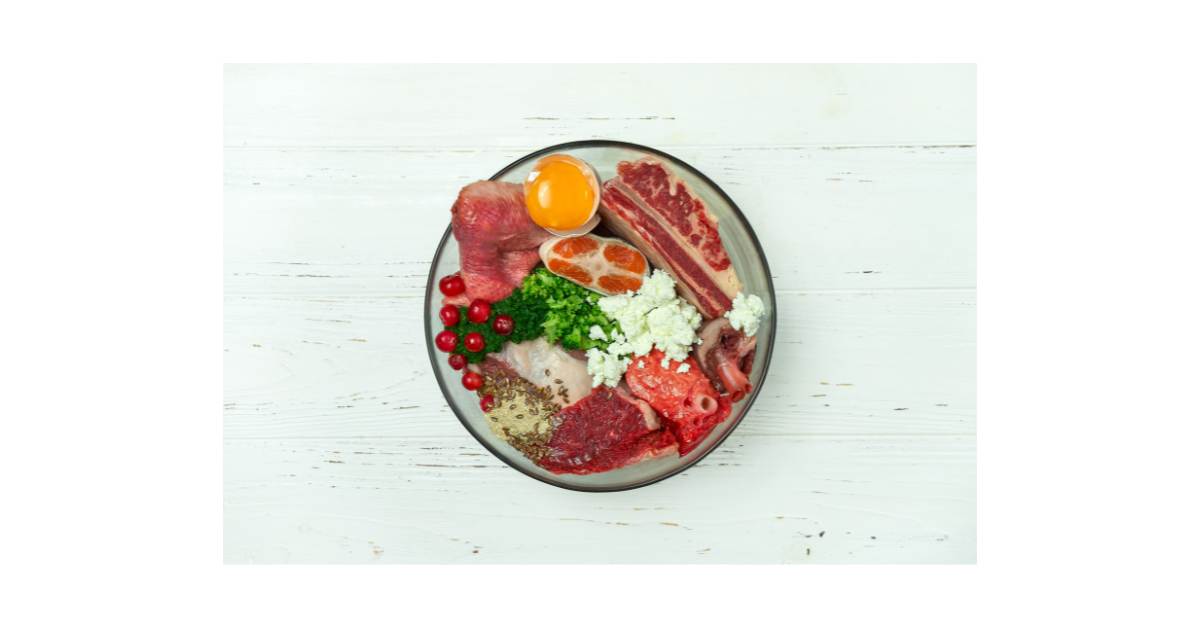
Supplementing a balanced diet can accelerate progress when done correctly. Adding small amounts of calorie-dense, dog-safe foods such as eggs, cottage cheese, or plain yogurt boosts intake without unbalancing nutrition. Oils like fish oil provide extra calories while supporting overall health.
Supplements should complement a complete diet, not replace it. Over-supplementation can disrupt nutrient balance and hinder long-term success.
Common Mistakes When Trying to Help Dogs Gain Weight
One frequent mistake is feeding more of a low-quality food. This increases volume without improving nutrient intake, often leading to loose stools or reduced appetite. Another error is relying heavily on treats, which may be high in calories but low in essential nutrients.
Rapid diet changes can also cause digestive upset, slowing progress. Gradual transitions allow the gut to adapt and improve nutrient absorption. Ignoring exercise is another oversight. Moderate activity stimulates appetite and promotes muscle development, supporting healthy weight gain.
Understanding these pitfalls helps owners create a structured, effective plan.
Long-Term Benefits of Proper Weight Management
Achieving a healthy weight improves energy, immune function, and resilience to illness. Dogs with optimal body condition perform better physically and recover faster from stress or injury. Coat quality, muscle tone, and overall demeanor often improve alongside weight gain.
Choosing the Best Dog Food for dogs that need to gain weight supports these benefits by delivering consistent, high-quality nutrition. Informed feeding decisions reduce the risk of nutritional deficiencies and digestive issues.
Many dog owners turn to expert-reviewed comparisons of the Best Dog Food to identify options that align with their dog’s specific needs, activity level, and preferences.
With patience, consistency, and the right nutritional strategy, dogs that struggle to gain weight can achieve a healthy body condition that supports strength, vitality, and long-term wellbeing.