Understanding Exhaust Components and Their Role in Vehicle Operation
Exhaust components form a complete system that manages engine gases, reduces noise, controls emissions, and supports overall vehicle performance. While many drivers think of the exhaust as a single unit, it is actually a combination of carefully engineered parts, each serving a specific purpose. From the moment combustion occurs inside the engine to the point gases exit the vehicle, exhaust components work in a precise sequence. Understanding how these components function together helps vehicle owners recognize issues early, make better maintenance decisions, and appreciate the complexity behind reliable exhaust system performance.
Why Exhaust Components Are Critical to Engine Health
Every internal combustion engine depends on efficient gas flow. Exhaust components ensure that burned gases leave the engine quickly and safely, allowing fresh air and fuel to enter the cylinders. If any component fails or becomes restricted, engine efficiency drops. This can lead to power loss, overheating, increased fuel consumption, and higher emissions. Modern engines are designed with tight tolerances, making exhaust component health more important than ever for smooth operation and long-term durability.
Exhaust Manifold and Gas Collection
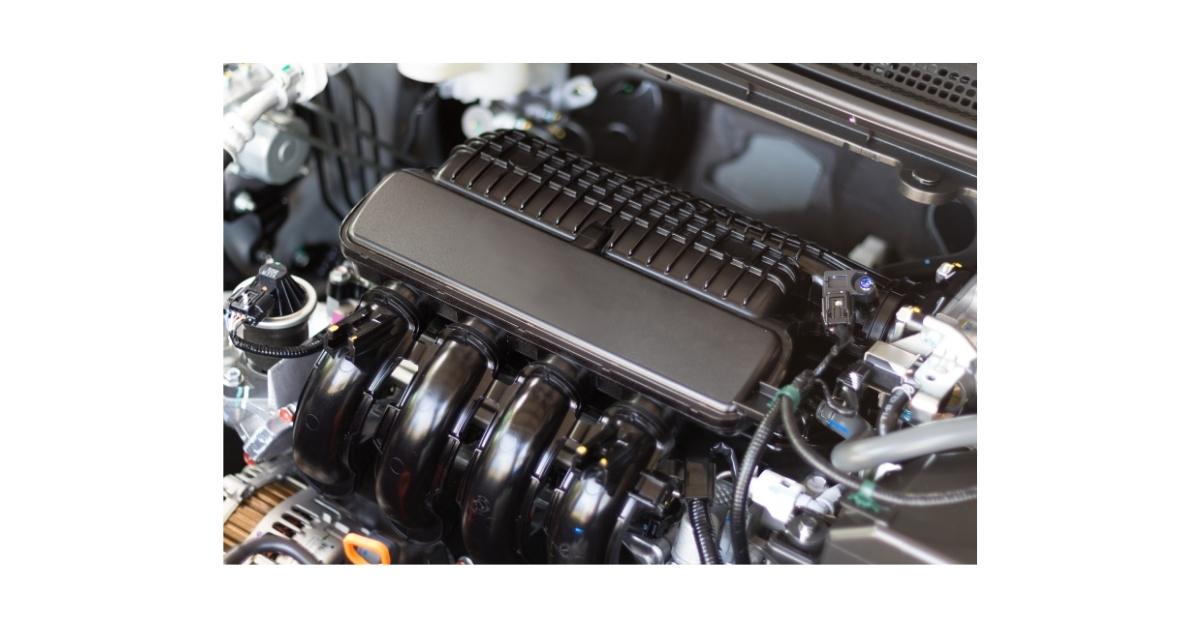
The exhaust manifold is the first component in the exhaust flow path. It collects hot gases from multiple engine cylinders and directs them into a single outlet. Designed to withstand extreme temperatures, the manifold must seal tightly to prevent leaks. Any crack or gasket failure at this stage can reduce engine performance and introduce harmful gases into the engine bay. The design of the exhaust manifold also influences how evenly gases are distributed, affecting overall engine balance.
Oxygen Sensors and Emission Feedback
Oxygen sensors are small but essential exhaust components that monitor the oxygen level in exhaust gases. This data is sent to the engine control unit, which adjusts the air fuel mixture accordingly. Accurate sensor readings ensure efficient combustion, lower emissions, and optimal fuel economy. Faulty oxygen sensors can cause poor engine performance and trigger warning lights. Although small in size, their impact on exhaust system efficiency is significant.
Catalytic Converter and Emission Reduction
The catalytic converter is one of the most important exhaust components for environmental protection. It uses chemical reactions to convert harmful gases into less harmful substances before they exit the vehicle. This process helps vehicles meet emission regulations. A failing catalytic converter can cause reduced power, overheating, and increased emissions. Because of its role in compliance and engine efficiency, maintaining this component is critical for both performance and legality.
Exhaust Pipes and Gas Flow Direction
Exhaust pipes connect various components and direct gases toward the rear of the vehicle. Their diameter, length, and routing influence exhaust flow and backpressure. Well-designed pipes support smooth gas movement, while damaged or restricted pipes can cause rattling noises and efficiency loss. Corrosion is a common issue, especially in regions with moisture or road salt. Regular inspection helps ensure pipes remain structurally sound and leak-free.
Muffler and Noise Control
The muffler is responsible for reducing engine noise to acceptable levels. It uses internal chambers and sound-absorbing materials to cancel out pressure waves created by exhaust gases. Muffler design directly affects exhaust tone and volume. A damaged muffler can increase noise dramatically and may also alter backpressure. While often associated only with sound, the muffler also contributes to overall exhaust system balance.
Resonator and Sound Refinement
Some vehicles include a resonator as an additional exhaust component. Its purpose is to fine-tune exhaust sound by eliminating specific frequencies that cause drone or harsh noise. The resonator works alongside the muffler rather than replacing it. Although not present in all systems, it plays an important role in improving driving comfort, especially during highway speeds where constant engine noise can become noticeable.
Exhaust Tips and Final Output
Exhaust tips are the visible end of the exhaust system. While often considered cosmetic, they also influence how gases exit the system. Tip shape and size can slightly affect sound characteristics and airflow. Although they do not play a major role in performance, properly installed exhaust tips protect the pipe end from corrosion and enhance overall vehicle appearance.
Heat Shields and Component Protection
Heat shields are protective exhaust components designed to prevent excessive heat from damaging nearby parts. They are typically made from lightweight metal and placed around hot sections of the exhaust system. Without proper heat shielding, components such as fuel lines or underbody panels could be exposed to dangerous temperatures. Although often overlooked, heat shields are essential for safety and longevity.
How Exhaust Components Work as a System
Each exhaust component is designed to function as part of an integrated system. Removing or modifying one part without considering the rest can disrupt airflow and balance. For example, altering the muffler without accounting for pipe diameter may increase noise without improving performance. Understanding the relationship between exhaust components helps ensure modifications or repairs maintain system efficiency.
Common Problems Across Exhaust Components
Exhaust components are exposed to heat, moisture, and vibration, making wear inevitable over time. Common issues include rust, cracks, loose hangers, and clogged converters. Early detection prevents minor problems from escalating into costly repairs. Regular inspections, especially for older vehicles, help maintain exhaust system integrity and safety.
Performance Impact of Upgraded Exhaust Components
Upgrading certain exhaust components can improve airflow and engine response. Performance-oriented parts are designed to reduce restriction while maintaining acceptable noise and emission levels. However, not all upgrades are suitable for daily driving. Understanding which components influence performance most helps vehicle owners choose upgrades that align with their driving needs.
Learning More About Exhaust Components
Detailed knowledge of exhaust components allows drivers to make informed decisions about maintenance and upgrades. Specialized resources focused entirely on exhaust technology provide clearer explanations than general automotive guides. One such resource is Exhaust Components, which offers in-depth discussions on individual parts and how they function within the system. Access to focused information builds confidence when diagnosing issues or planning improvements.

Maintenance Practices for Long-Term Reliability
Proper maintenance extends the life of exhaust components. Regular inspections, prompt repairs, and choosing corrosion-resistant materials all contribute to system longevity. Addressing small leaks or loose mounts early prevents stress on other components. A proactive approach reduces long-term costs and ensures consistent vehicle performance.
Exhaust Components and Fuel Efficiency
Efficient exhaust components support better fuel economy by allowing smooth gas flow. Restrictions or leaks force the engine to work harder, increasing fuel consumption. Maintaining component health helps preserve efficiency, especially for vehicles driven daily. Over time, even small exhaust inefficiencies can have noticeable financial impact.
The Safety Importance of Intact Exhaust Components
Damaged exhaust components pose serious safety risks. Leaks can allow toxic gases to enter the cabin, while loose parts may detach during driving. Ensuring all exhaust components are secure and functional protects both vehicle occupants and other road users. Safety should always be a priority when addressing exhaust-related issues.
Staying Informed About Exhaust Components
As engine technology evolves, exhaust components continue to change in design and function. Staying informed helps vehicle owners adapt to new requirements and technologies. Reliable educational platforms like Exhaust Components provide ongoing insights into exhaust system development. Knowledge empowers better decisions, ensuring exhaust systems remain efficient, safe, and compliant over the long term.